Shino: The Glaze That Never Fires the Same Way Twice
A feldspar-based glaze with roots in 16th-century Japan, Shino is prized for its unpredictable surface textures, dramatic color range, and the simple fact that no two firings ever look the same.
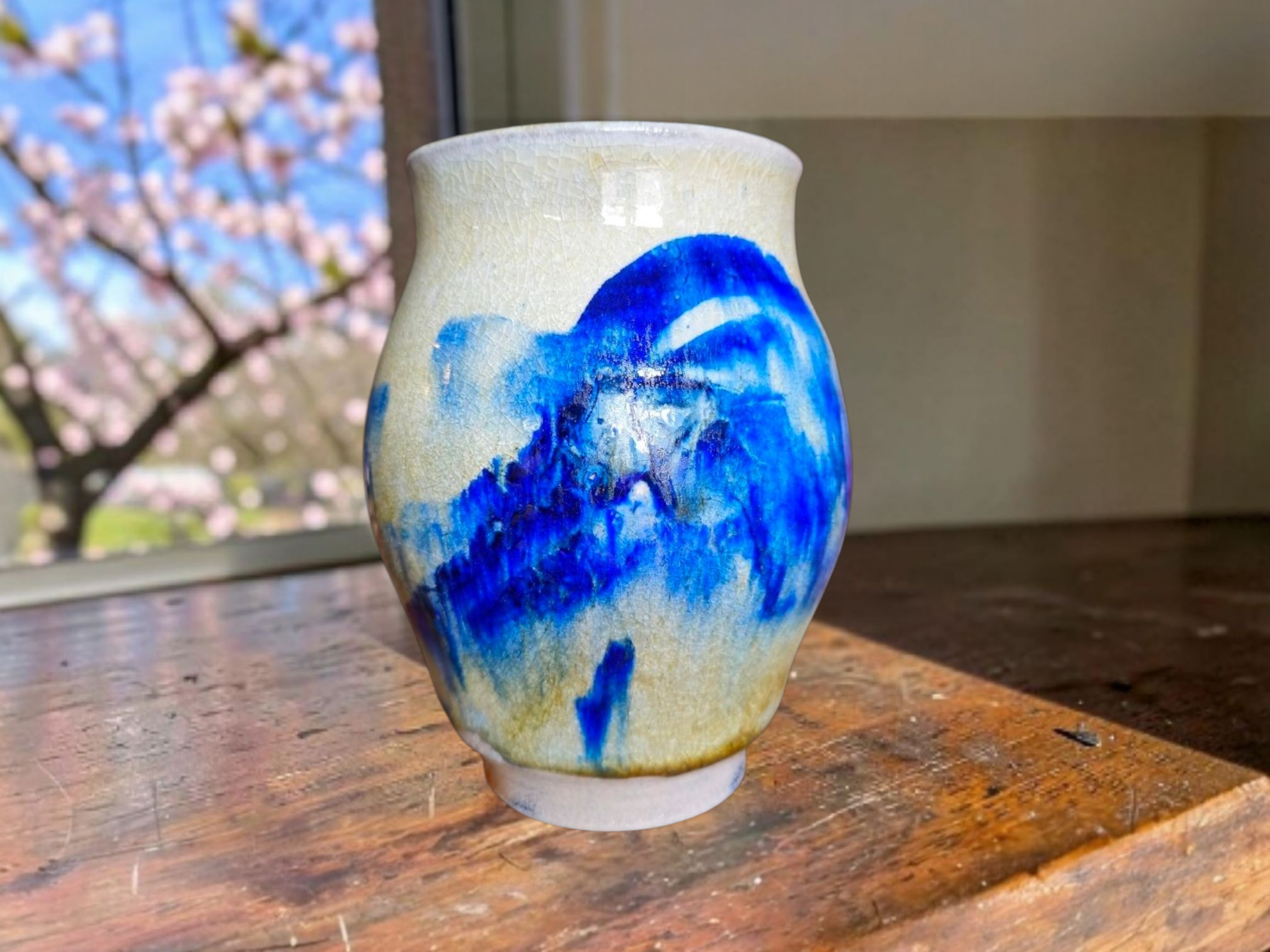
What Is Shino Glaze?
Shino glaze is one of the most beloved and visually exciting glazes in ceramics. Originally developed in Japan during the Momoyama period (late 1500s), it has become a staple in contemporary studio pottery because of its unique textures, colors, and surprises.
At its core, a traditional Shino glaze is feldspar-based, typically fired in high-fire gas or wood kilns, and known for producing an extraordinary range of surface effects. This chemical simplicity is part of its beauty: what seems like a single recipe becomes many different visual outcomes depending on firing, atmosphere, and surface preparation.
Why Potters Love Shino — Unpredictability as Beauty
The Shino experience is unlike many other glaze types. With most glazes, potters expect and aim for repeatability. With Shino, you quickly learn that predictability is overrated.
A single Shino glaze can produce crawling and popcorning textures that lift and separate dramatically, soft snow-like surfaces that are creamy and layered, spontaneous crackle patterns, stark color shifts from fiery oranges in reduction to greens where carbon traps during cooling, and dynamic contrast where wax resist lifts the glaze.
The same glaze can look dramatically different depending on kiln atmosphere, firing schedule and cooling rate, placement in the kiln, thickness of application, clay body choice, and surface preparation — even minute variations in each can radically shift the outcome.
My Experience with Shino
What has always fascinated me is that you can use the same Shino glaze your entire career and never see the same result twice. Every firing feels like rolling the dice, but instead of randomness, you get poetry — patches of glaze that look like melted snow, pools of orange on the interior, crackles that read like topographical maps.
It's the kind of glaze where you don't always predict the outcome. You respond to it, adjusting and learning with each load, each kiln, each cone drop.
How Shino Works Chemically
Shino glazes favor feldspar as the primary flux, giving them a high melting point and heavy silica component. They react strongly to reduction atmospheres, which can trap carbon crystals in the melt, and develop surface tension effects that encourage crawling, blistering, and unique texture. The feldspar base combined with reduction creates a glaze surface that is chemically and physically unstable in the best way — meaning it's alive in the kiln.
Firing Shino: Gas, Wood, and Reduction
Shino does best in gas or wood kilns fired to cone 10. In reduction, orange hues deepen, carbon can be trapped creating greenish areas, and the melt moves and reacts leading to variation. Fires that are too oxidizing or too rapid can flatten the potential of the glaze — but when reduction is well managed, the result can be breathtaking.
Techniques That Amplify Shino Effects
Wax resist is your best friend with Shino. It creates contrast — lighter areas where glaze lifts, darker areas where it pools or drips — giving your piece a dynamic visual rhythm. Some potters layer Shino over slips or under other glazes, and the interactions can be stunning. Clay body selection matters too: porcelain and buff stoneware bodies will each tell a different story under the same glaze.
The Glaze Is a Partner, Not a Paintbrush
Shino thrives on variation, not replication. Reduction atmosphere is your ally. Every piece becomes a conversation with your kiln — and that's exactly the point.
Enjoying this?
Get articles like this weekly.